How much is a Lisbon Cathedral ticket?
The official ticket costs €7 for adults and €5 for Lisboa Card holders and children aged 7–12. Children up to 6 go free. Online, the official entry ticket is from about $8 on GetYourGuide. A prayer space in the cathedral is open free of charge.
What are the opening hours?
From May to October: Monday, Tuesday, Thursday and Friday 9:30–19:00, Wednesday and Saturday 10:00–18:00. From November to April: Monday to Saturday 10:00–18:00. Last admission is 30 minutes before closing.
Is Lisbon Cathedral open on Sundays?
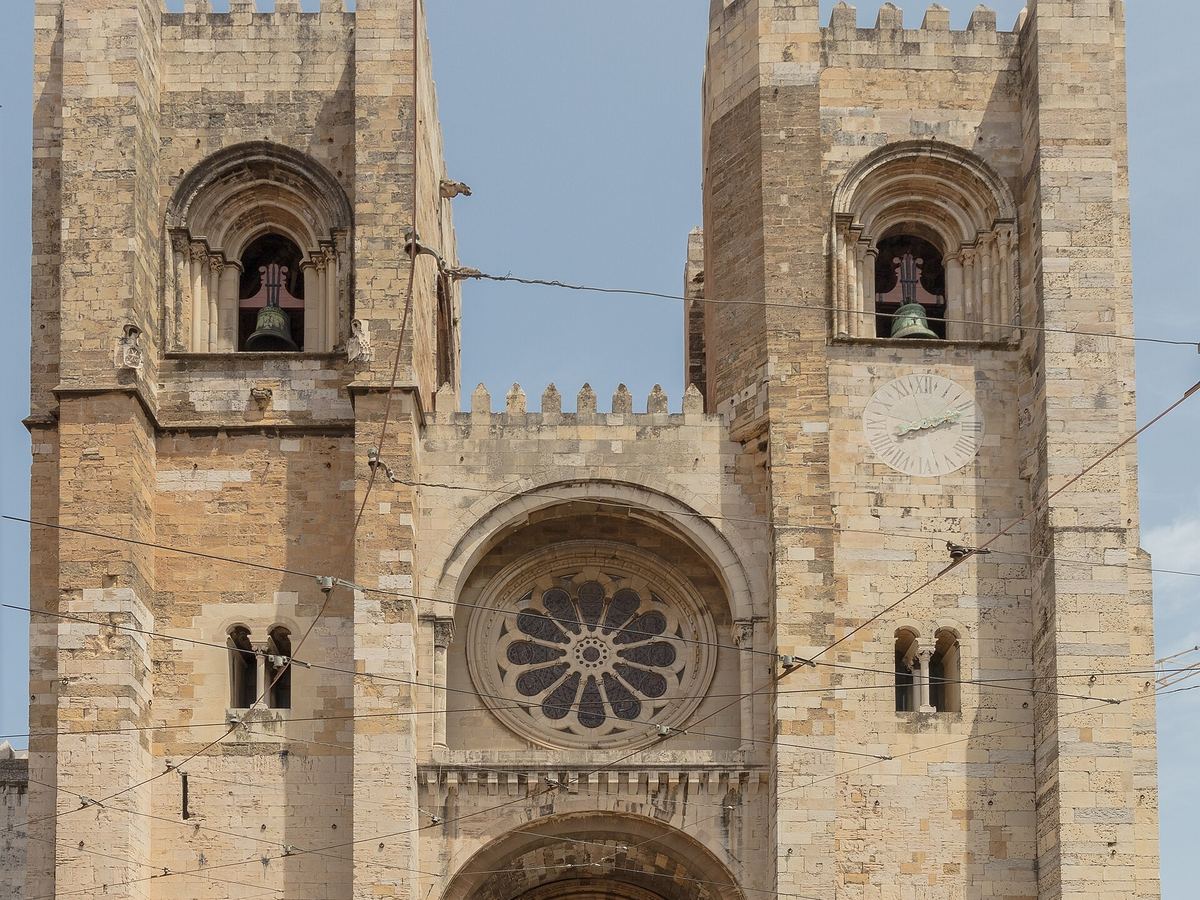
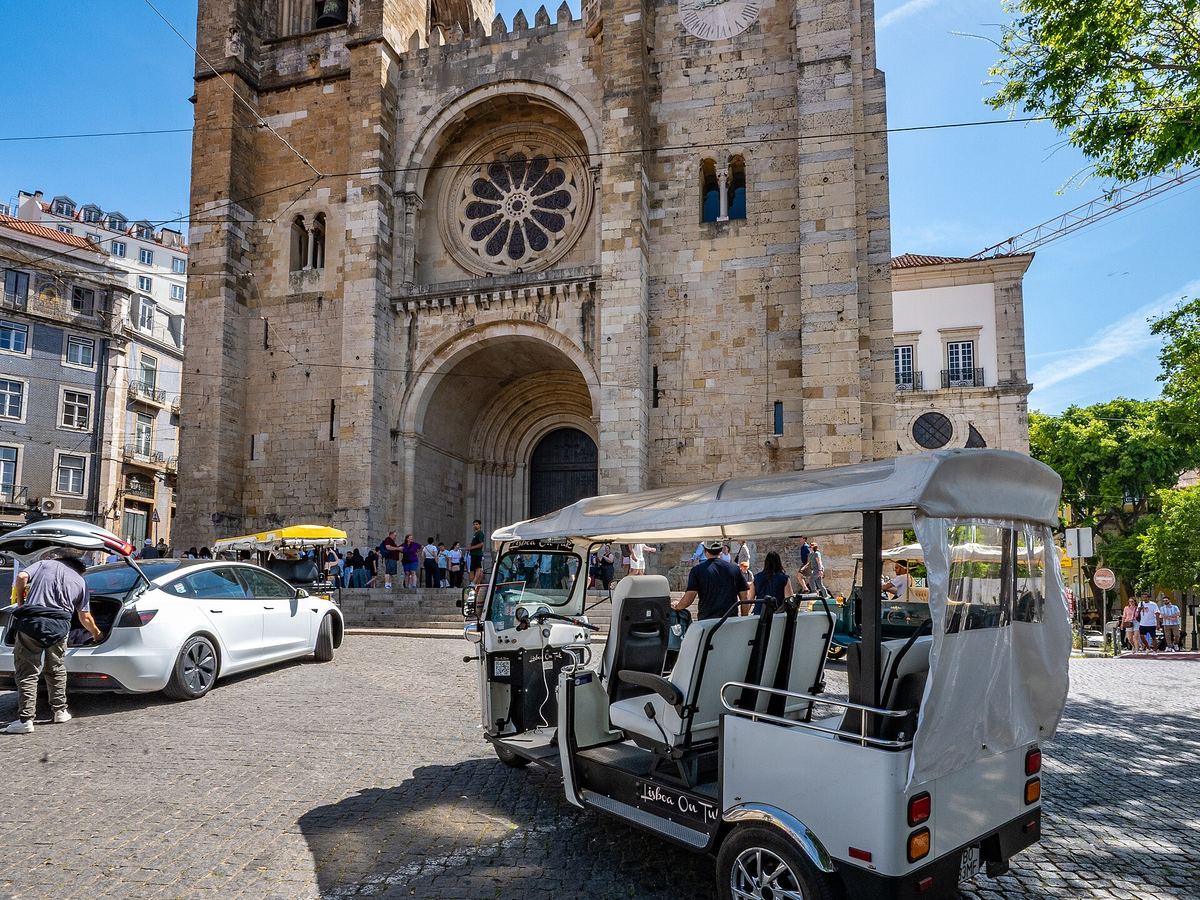
Not for tourist visits. The cathedral is closed to visitors on Sundays and holy days, and visits are also suspended during services on other days. You can still see the façade and tram 28 outside at any time.
What does the ticket include?
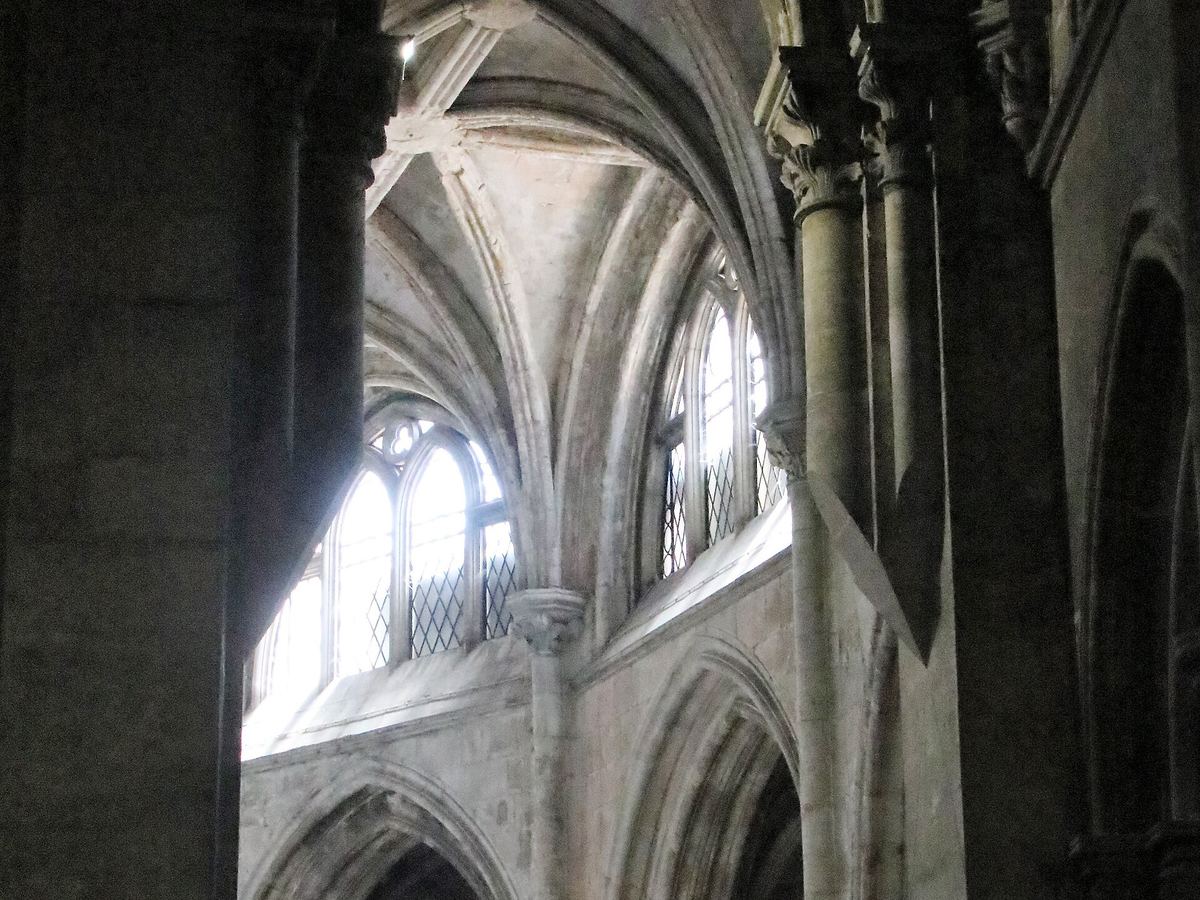
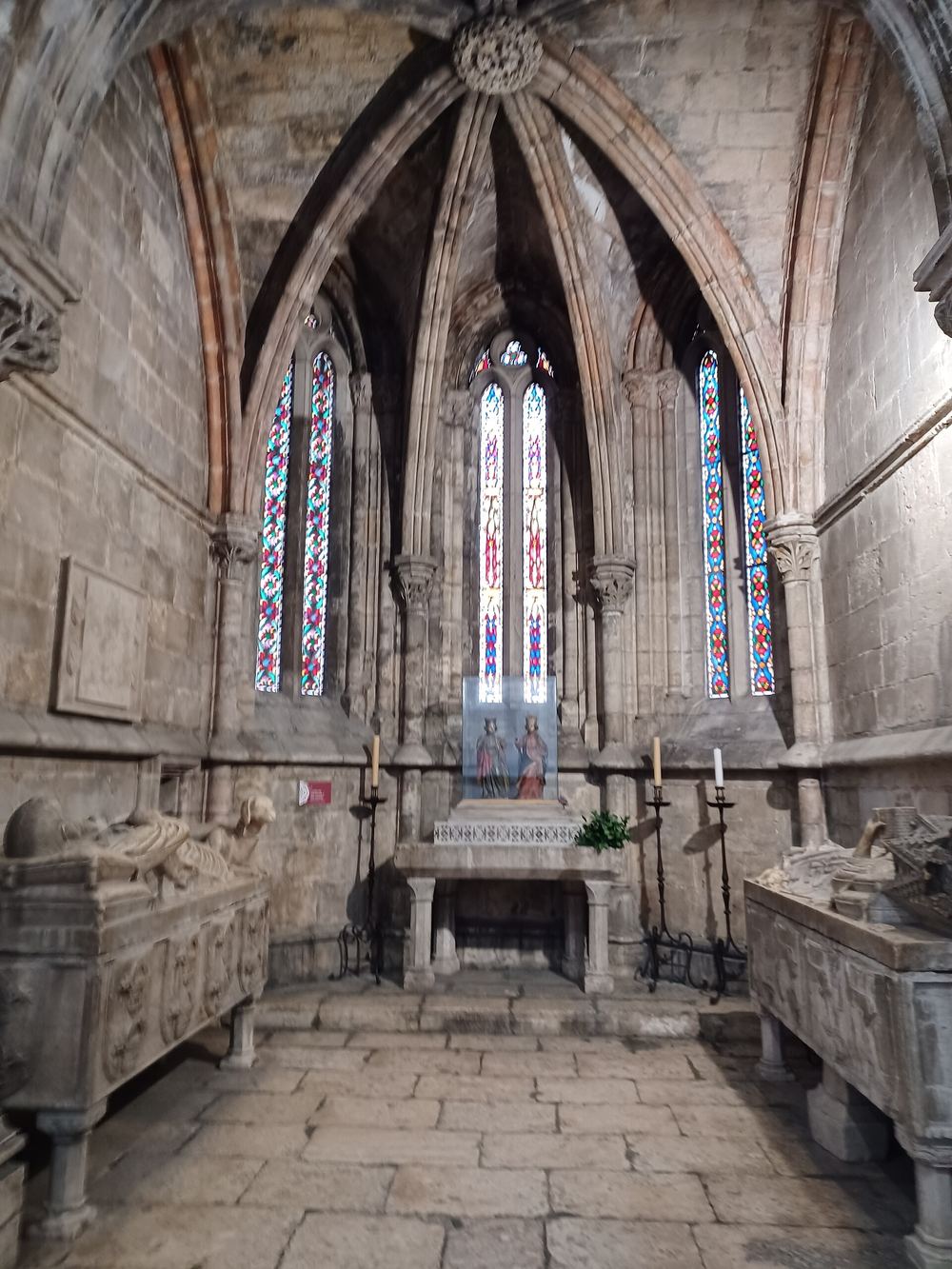
The route through the naves and the Gothic ambulatory, the climb to the upper choir and the balcony between the bell towers, and the Treasury museum. A smartphone guide, Sé Digital, costs €3 extra.
Can I visit the cloister?
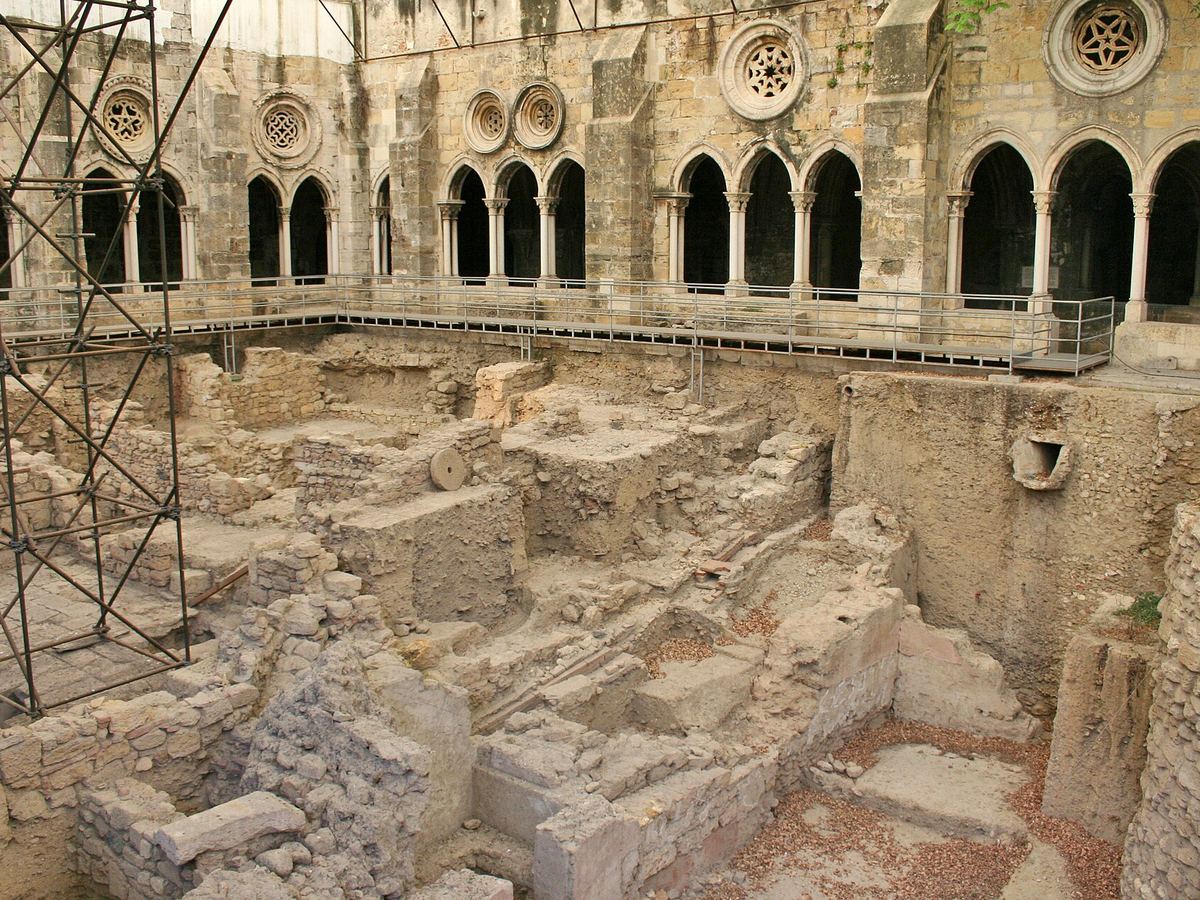
The Gothic cloister has been the site of major archaeological excavations, with Roman, Islamic and medieval remains, and it isn't part of the standard ticket route. Ask at the ticket desk whether it's open when you visit.
How long does a visit take?
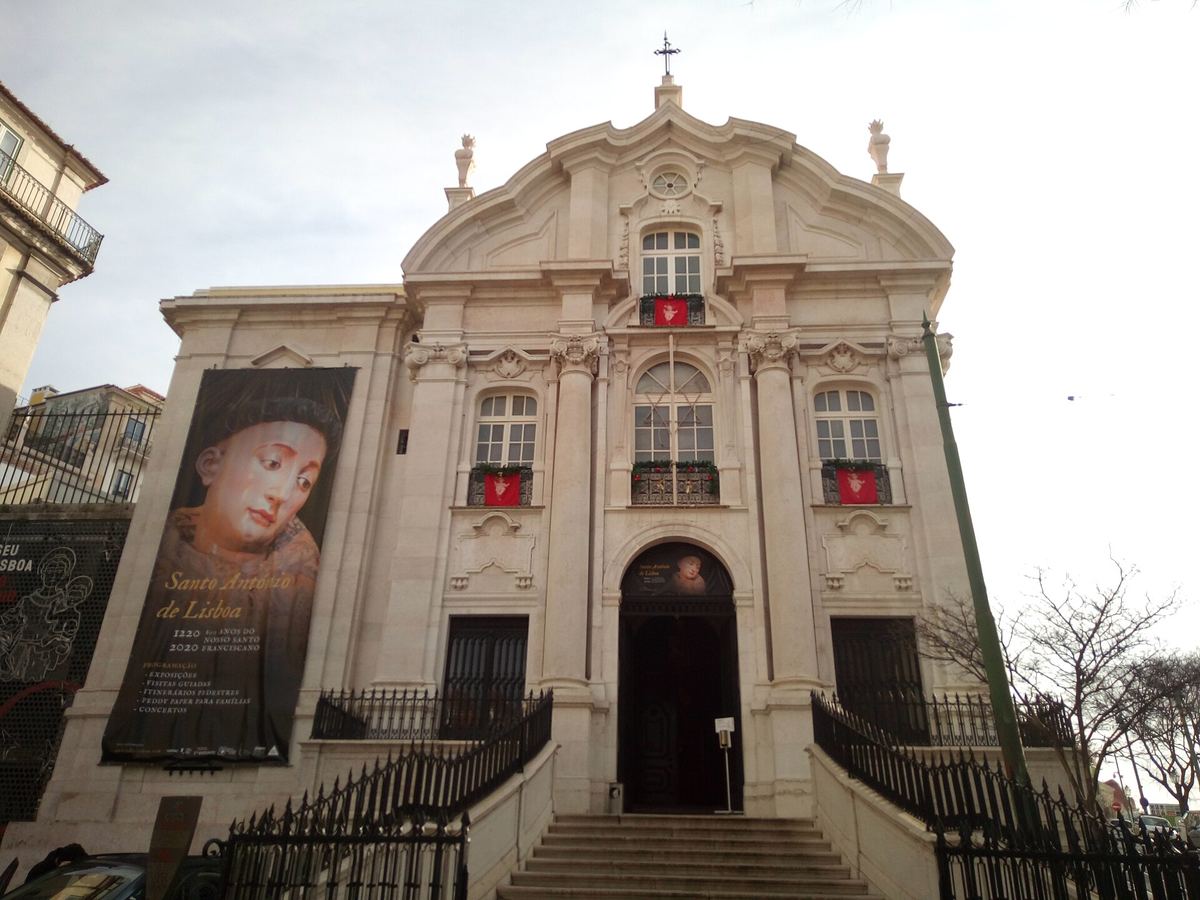
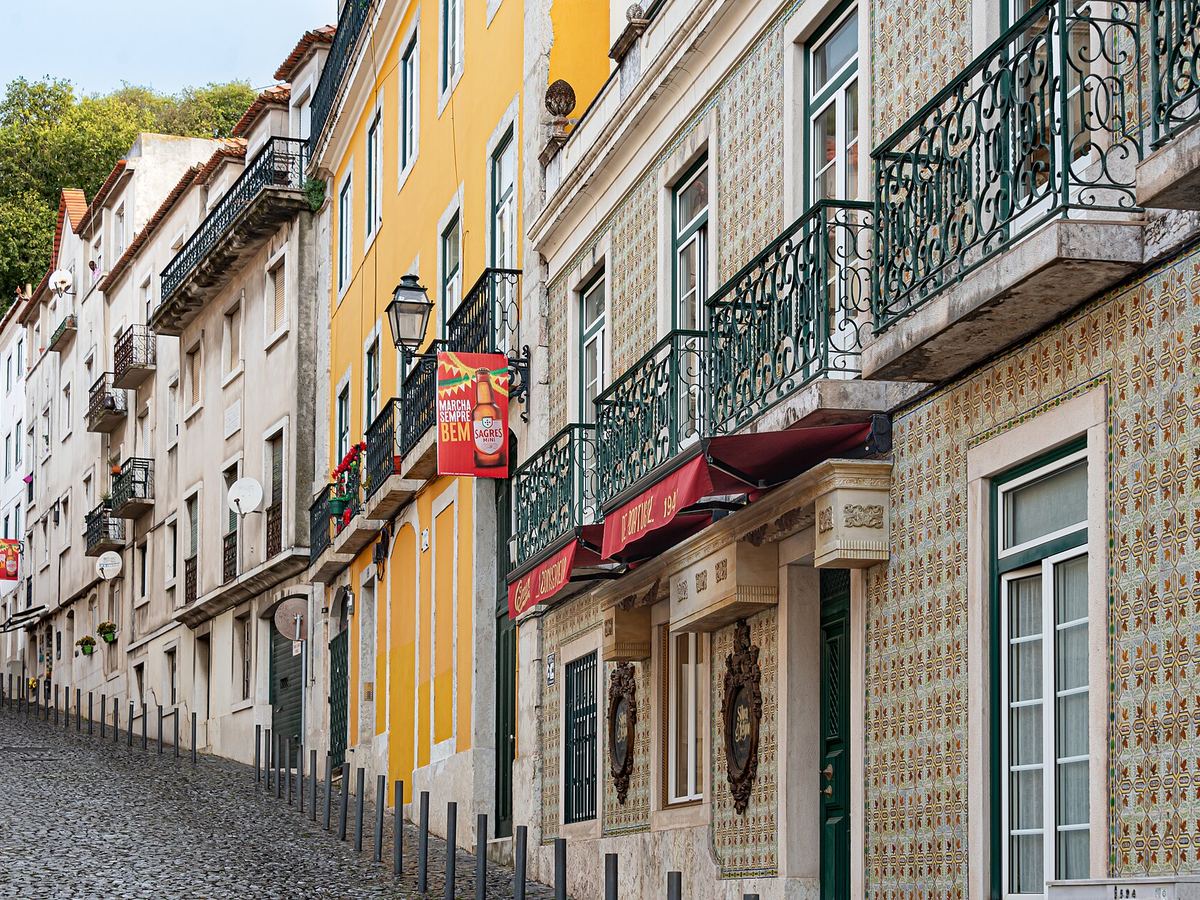
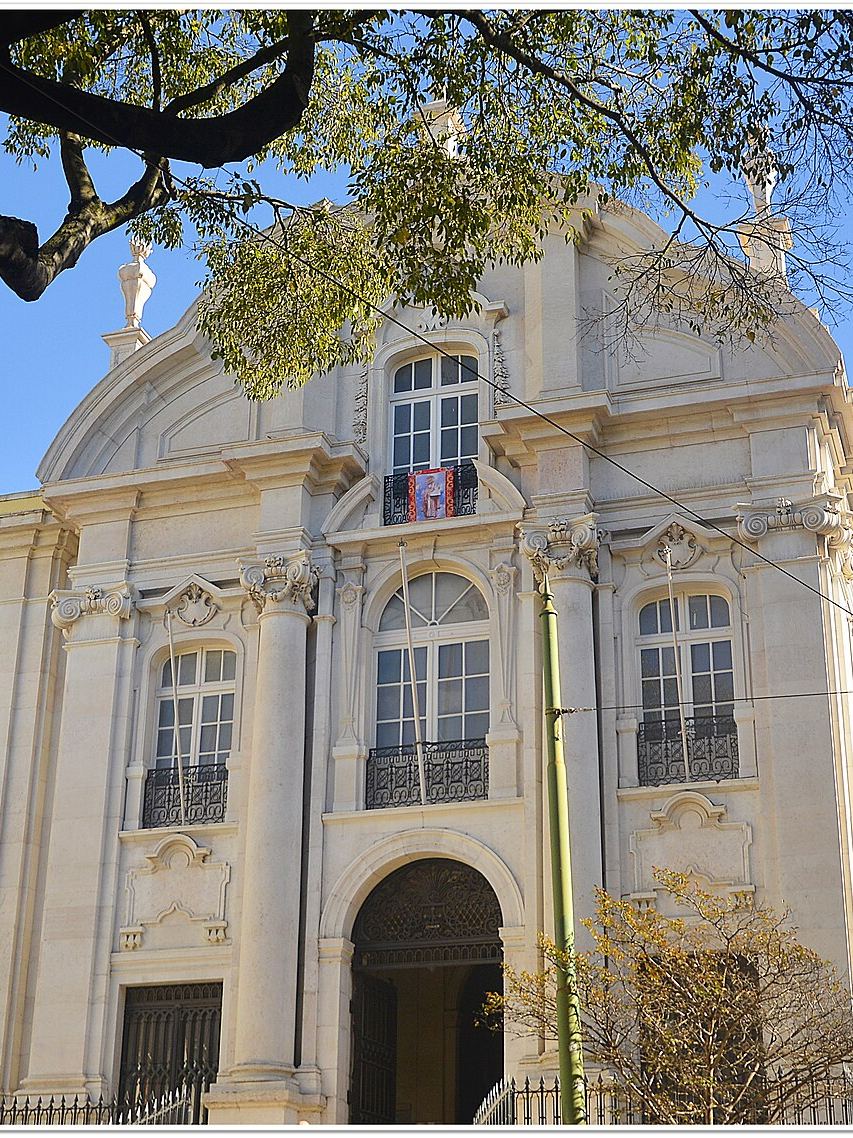
About 45 minutes to an hour, including the climb to the choir and the Treasury. Add Santo António church and the Portas do Sol viewpoint nearby and you have a lovely half day in Alfama.
Is the online ticket refundable?
No. The cathedral entry ticket is non-refundable, so book it for a day you're sure of. The guided walking tours have free cancellation up to 24 hours before.
Was Saint Anthony baptised here?
Yes. Saint Anthony of Padua was born nearby in 1195, on the site of the Church of Santo António, and tradition says he was baptised in the cathedral's font, which you can still see by the entrance.
Is there a dress code?
It's a working cathedral, so cover shoulders and avoid beachwear, keep your voice down, and don't walk around during Mass.
How do I get to Lisbon Cathedral?
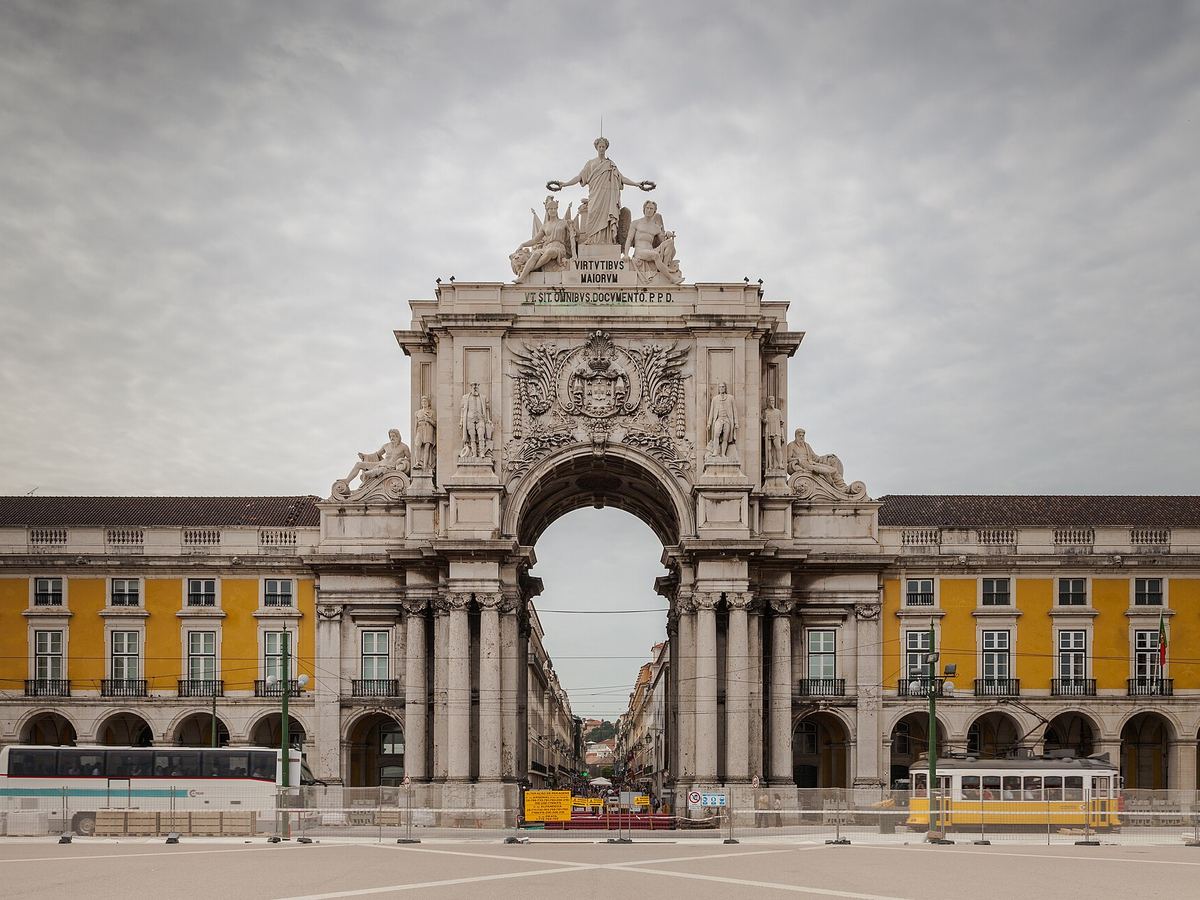
Tram 28 stops right outside, at Sé. From the Baixa it's a 10-minute uphill walk from Praça do Comércio; the nearest metro stations are Terreiro do Paço and Baixa-Chiado.
Is the cathedral accessible?
The main nave is at street level, but the upper choir and the Treasury are reached by stairs, so they aren't suitable for wheelchair users.
Is it worth a guided tour?
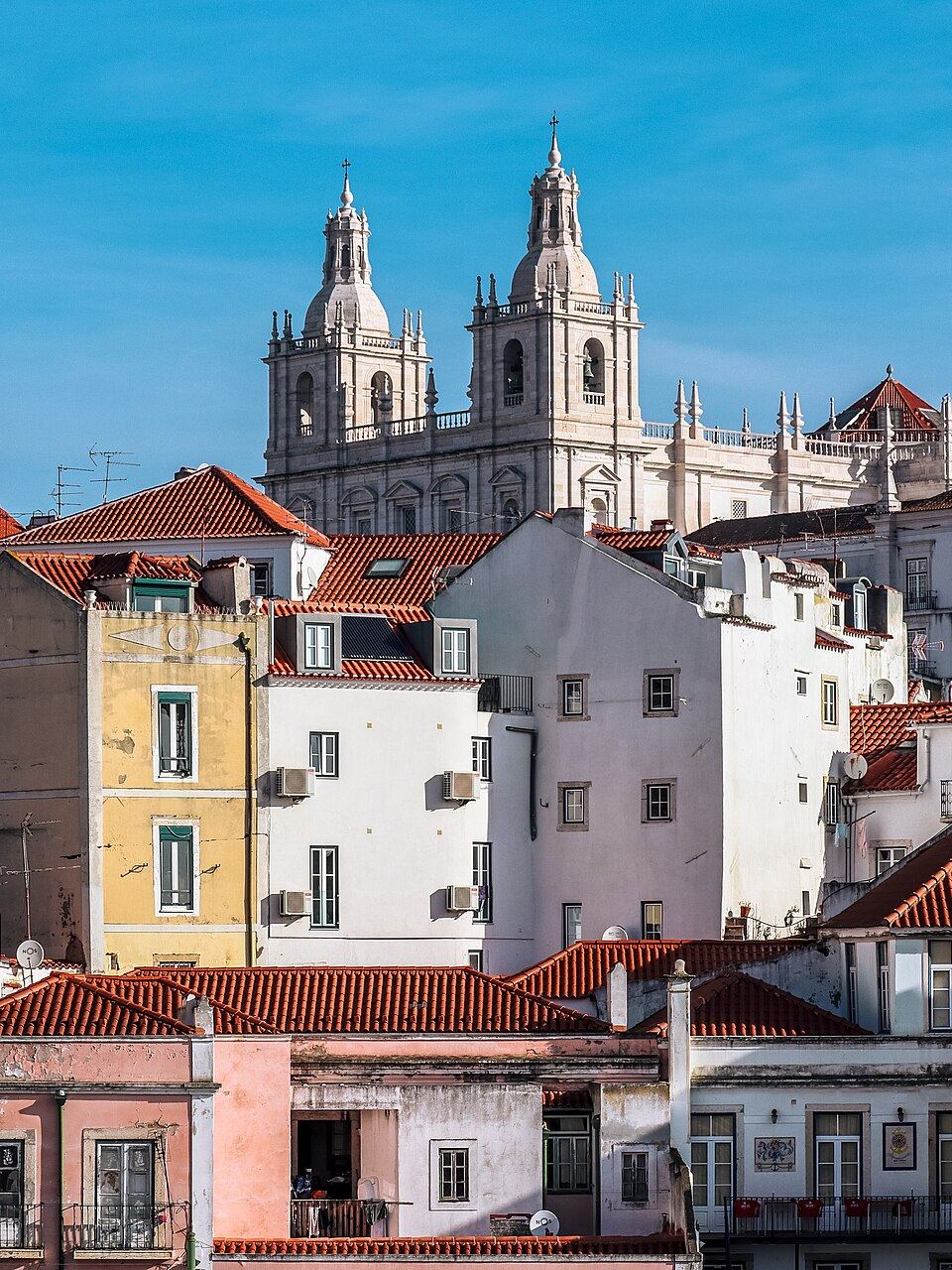
If you want the stories behind the stone, yes: the Alfama & castle walk includes cathedral entry with a guided visit, and the small-group sacred walk adds Santo António and São Vicente de Fora.